STATEMENT OF RESPONSE
There is no substitute for listening. Not reports, not statistics, not policy briefings. Listening to real people, in their own words, about what has actually happened to them.
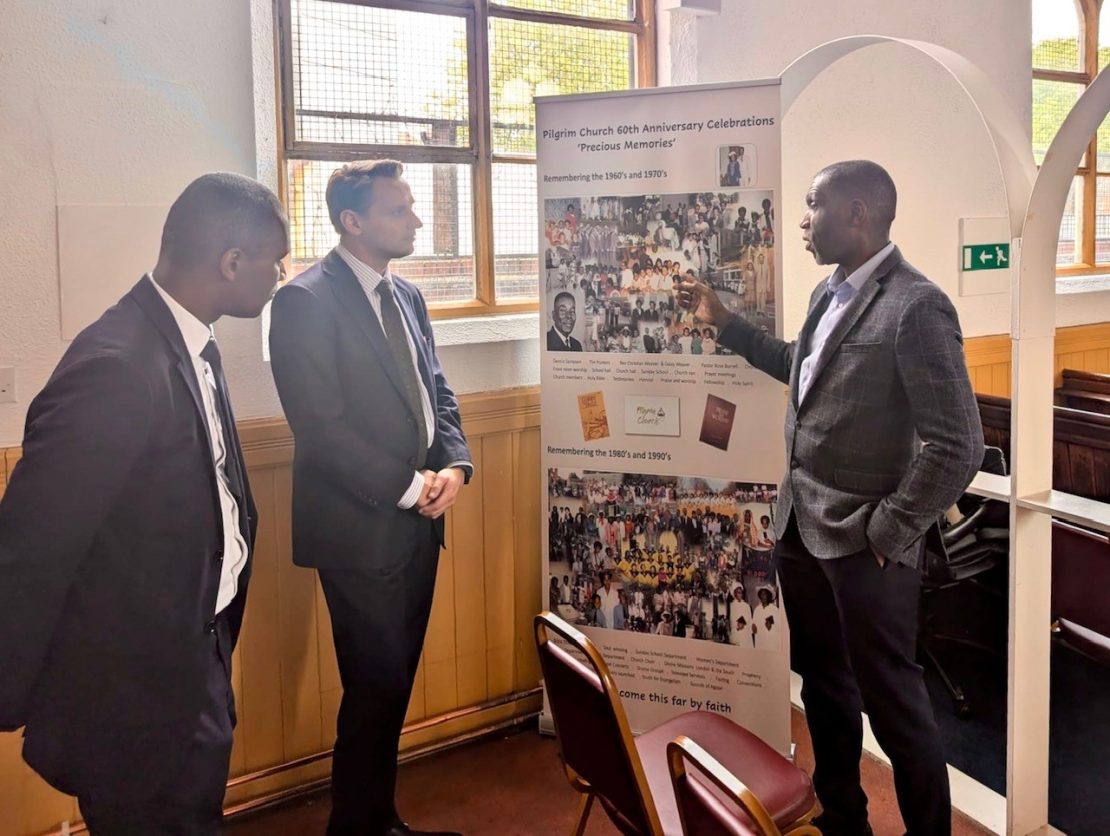
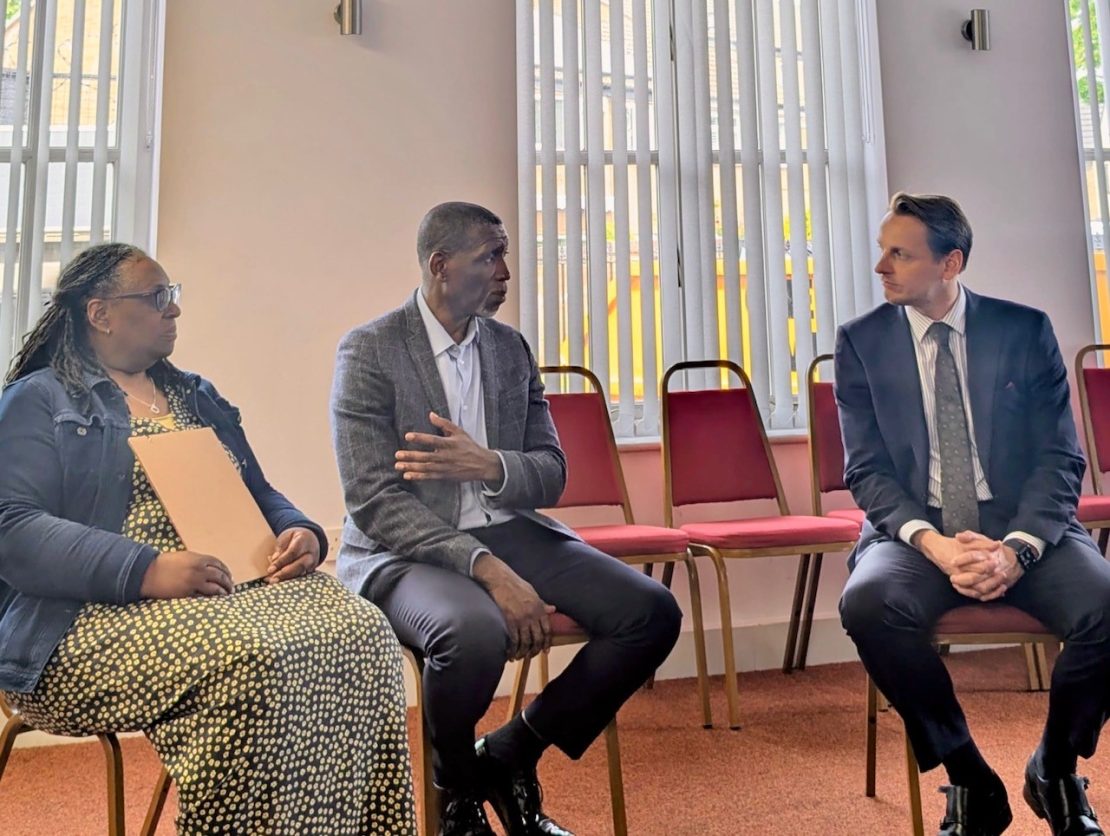
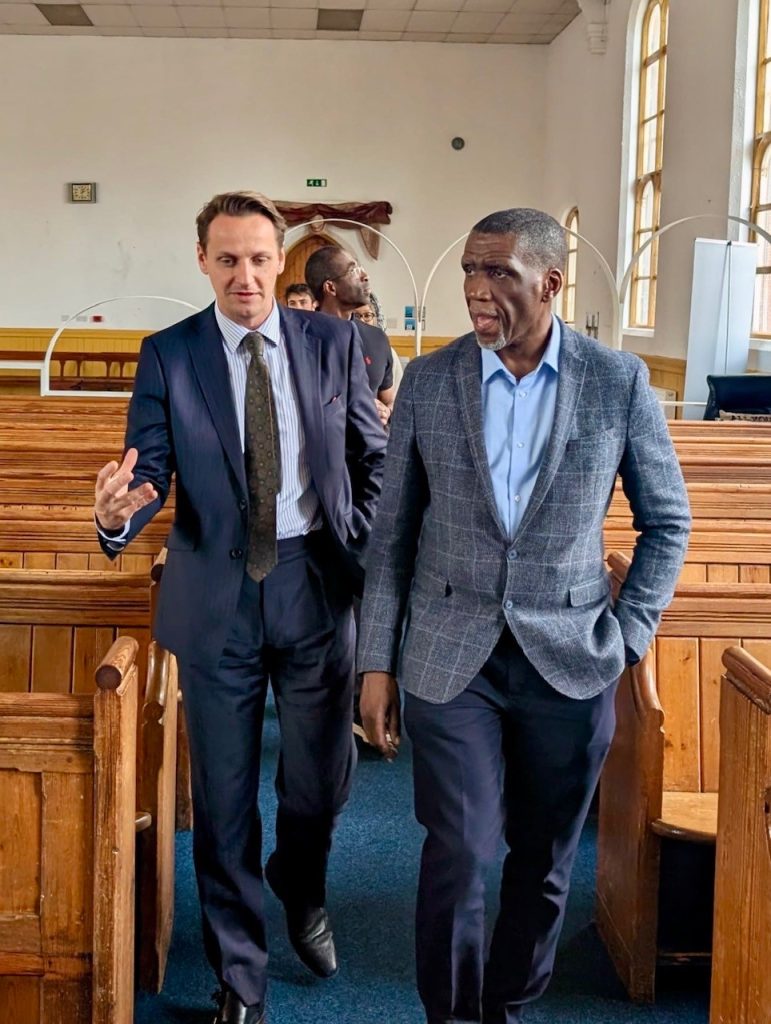
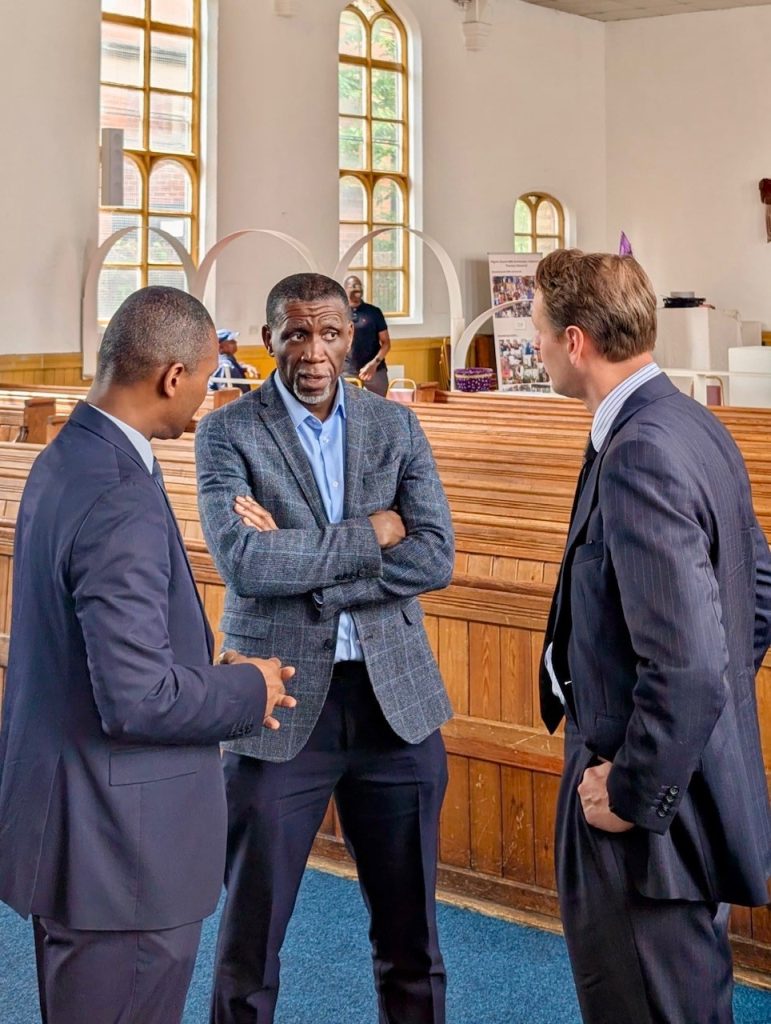
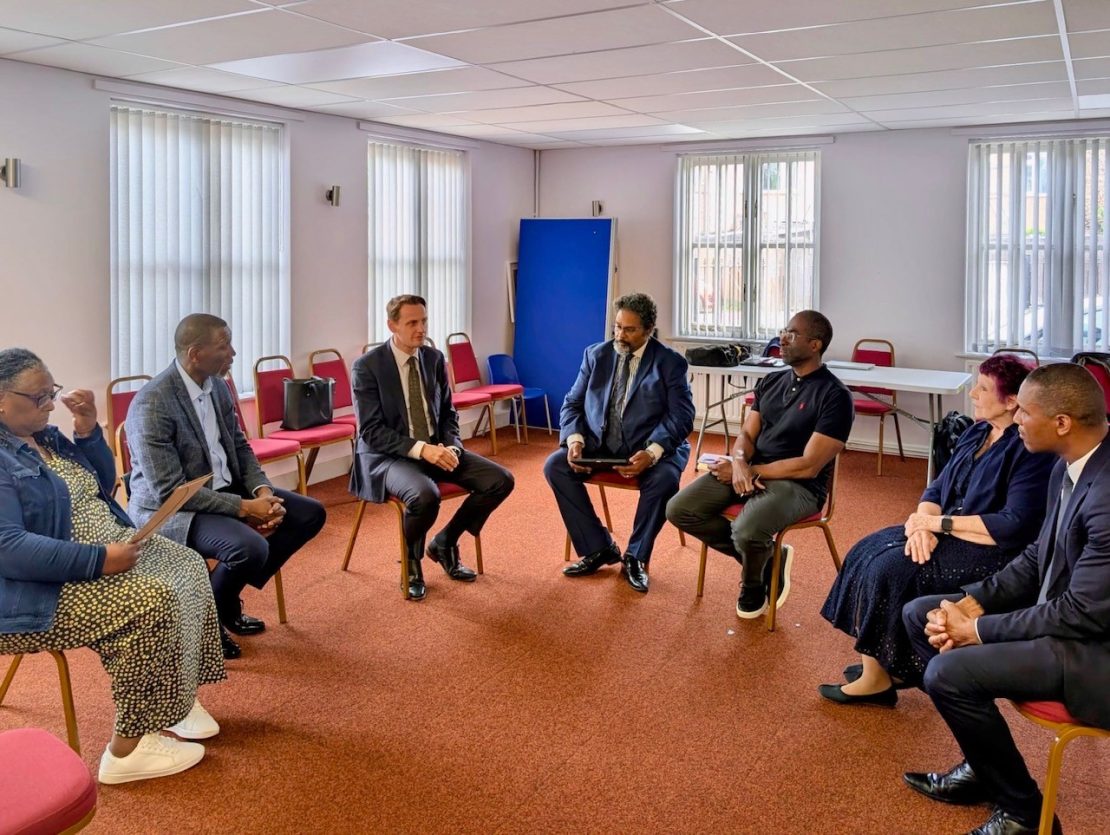
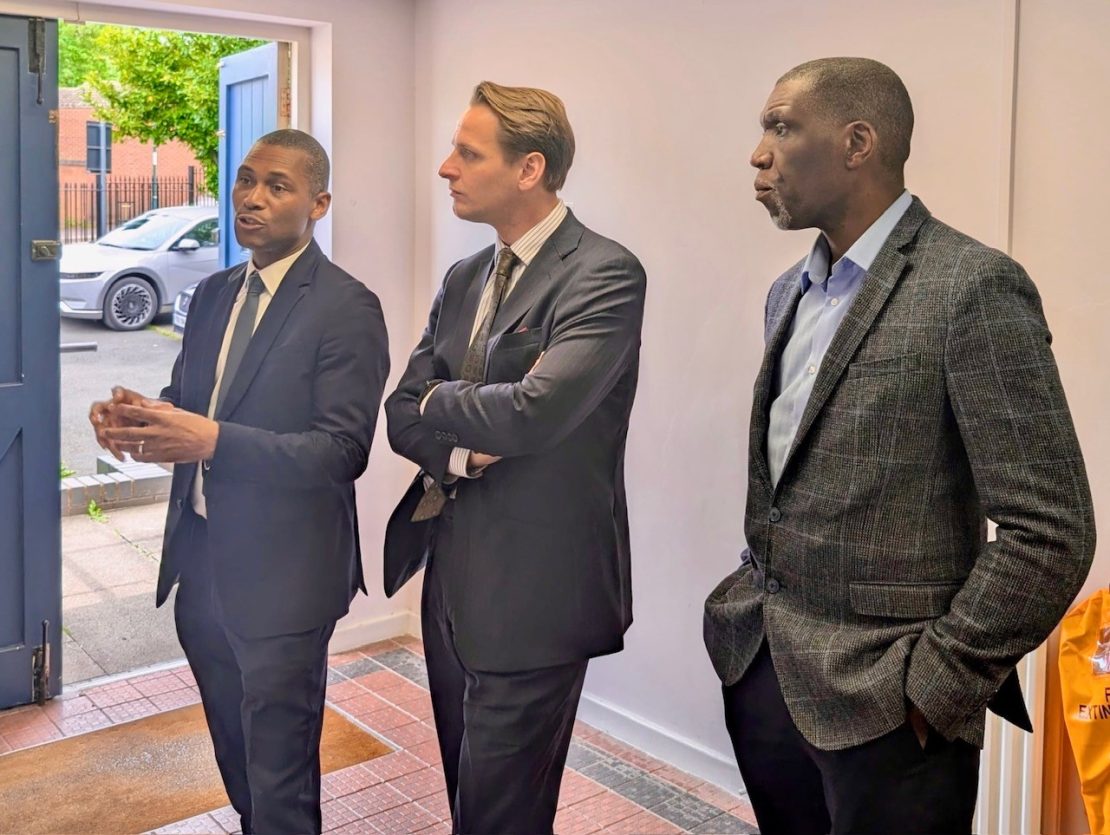
That was the principle behind my decision to invite Minister for Migration and Citizenship, Mike Tapp to Pilgrim Church in Nottingham yesterday. This is where I began my work supporting victims of the Home Office Windrush Scandal, including many members of my own congregation. It felt right to bring the Minister here, not to a government building, not to a formal meeting room, but to the place where this community has gathered, grieved, and fought for justice.
What he heard, I hope, will stay with him.
Veronica Bell has lived with the consequences of the scandal for years. She was one of the opening case studies in Wendy Williams’ Lessons Learned Review. Her father was prevented from returning to the UK, decades of contribution rendered invisible by the very state he had served. She called it “the erasure of a life lived.” She described the compensation process as “retraumatising,” with applicants met with “disbelief and suspicion,” and was clear that justice means the Government restoring dignity and truly hearing the human impact of what was done.
Jeremy Prince spoke about the need to recognise, safeguard and celebrate African-Caribbean identity. A community that fears losing its voice and its place in the national story. Minister Tapp spoke about the beauty of Caribbean culture and the need for it be “celebrated and maintained.” He asked how Government, not just the Home Office, could play a role. That is an important question. The scandal is not a Home Office problem alone. Its roots run deeper, and so must the response.
Shelagh Parker brought the conversation back to an immigration system that is still failing people, processes that feel like a “tick box exercise,” carried out by caseworkers without the historical understanding the work demands. I pressed the Minister directly on this. Wendy Williams’ recommendations are clear: staff must understand the history of empire, the Commonwealth, and the communities who came to the UK in good faith. Minister Tapp agreed to look at how caseworkers can be better equipped. I will be watching to see what progress comes of that commitment.
Bishop Desmond Jaddoo raised the disproportionate criminalisation of Windrush-affected communities and urged younger descendants to secure their status and passports now, particularly given the current political climate. He also highlighted a troubling disconnect between Windrush Status Teams and HM Passport Office that has left some people wrongly refused passports they were fully entitled to. Minister Tapp acknowledged the difficult balance the Home Office must strike and recognised my role in helping Government get this right.
Reverend Mark Stewart closed with a challenge I echo: agree the outcomes, measure them, and make sure change actually happens. Young people with Windrush heritage need to feel that Britain is their country too, that they have a secure foundation here and a stake in its future.
I am grateful to everyone who spoke so honestly and with such courage. The Minister listened. Now we need to see what follows. Listening is not the end of accountability, it is the beginning of it. I will continue to hold the Government to every commitment made in that room.
Reverend Clive Foster MBE, Independent Windrush Commissioner