A Cultural Evening Celebrating Young Windrush Generation Talent and Legacy
The Office of the Windrush Commissioner is proud to present We Are Windrush, a special cultural evening celebrating the talent, heritage and legacy of the young Windrush generation. The event takes place on Thursday 11 June 2026, 6pm–10pm at Legacy COE, Birmingham.
We Are Windrush brings together young creatives, performers, educators and storytellers to explore what the Windrush story means for a new generation, and what it means for them personally. Featuring inspiring panel conversations, live performances, personal reflections and delicious food, the evening is designed to be welcoming, celebratory and thought-provoking.
The event is part of the Commissioner’s ongoing programme of community engagement across the country, bringing the work of the office directly to communities and ensuring that young people with Caribbean or Commonwealth heritage know their rights, their history, and the support available to them.
“The Windrush generation came to Britain in good faith, worked hard, built communities, and helped shape this country into what it is today. Their descendants carry that legacy forward, and this evening is our opportunity to celebrate that, through conversation, creativity, and culture.
“But it is also a chance to ensure that young people with Caribbean or Commonwealth heritage know their history, understand their rights, and are aware that support may be available to them and their families. I am looking forward to a truly special evening and to hearing directly from the next generation about what Windrush means to them.”
Many young people are unaware that they may be eligible for compensation or confirmation of status through a wider family member’s connection to the Home Office Windrush Scandal. The We Are Windrush event is an opportunity to learn more in a relaxed setting, and to celebrate the extraordinary contributions of the Windrush generation to British life.
Confirmed guests include:
Hosting the evening:
Rakeem Omar – award-winning investigative journalist, BBC Radio 1Xtra presenter and documentary filmmaker.
Panel: Identity, Heritage & Windrush:
CASHH (artist and lived experience storyteller),
Keecia Ellis (founder of Rekodi Music, formerly Universal Music Group, Sony and MTV).
Panel: Justice, Legacy & the Future:
Ify Iwobi (pianist, composer and co-founder of Black Welsh Music Awards),
Kayne Kawasaki (cultural theorist and UK Black history educator),
Eden McKenzie-Goddard (author, SMALLIE, Penguin Viking 2026).
Performers:
Casey Bailey (former Birmingham Poet Laureate),
Priscilla Cameron (singer and songwriter, The Voice UK 2020),
Janel Antoneshia (Jamaican-born singer and songwriter),
Ify Iwobi and Wade (BBC Radio Wales A-List pianist and soulful vocalist duo),
Jada Pink (London-based DJ and Caribbean sounds specialist).
The Office of the Windrush Commissioner is delighted that Sandie Okoro, Chancellor of the University of Birmingham, will also be joining us on the evening, reflecting the University’s commitment to celebrating diversity, heritage and the contributions of Caribbean and Commonwealth communities to British life.
The Office of the Windrush Commissioner, which was created last year to hold the Government to account on its implementation of the Windrush Lessons Learned Review, has held similar events in cities around the UK with the aim of ensuring the voices of affected communities are at the heart of the office’s advocacy.
Rev Foster told the ECHO: “The Windrush scandal is still live, and why it’s important that we have a session like we’re having in Liverpool is that there will be support given, there will be other organisations there that can relate to the problems people are having, and we can take those stories into real change.
“That’s what I’ve done in the past, and that’s why these listening events are really important to hold.”
The Windrush scandal, which first made the news in November 2017, resulted in the resignation of then-Home Secretary Amber Rudd after it emerged she had misled Parliament over deportation targets set by the Conservative government – which had led to many Windrush migrants (who legally arrived in the UK before 1973 from nations that were formerly part of the Empire and Commonwealth, particularly Caribbean countries) being threatened with deportation.
Many of these people were wrongly detained, denied legal rights and access to health and welfare services, and at least 83 were wrongly deported from the UK by the Home Office.
Previous community listening events, the most recent in Birmingham in January, have seen attendees raise concerns around the difficulties accessing legal support for compensation claims under the scheme first announced in December 2018.
A primary concern of the commissioner’s office is to provide assurance on the Home Office’s delivery of this scheme, including for survivors who are now overseas as a result of the scandal.
Rev Foster said: “My role is to scrutinise the Government and to take those stories that we’re hearing into the heart of government in terms of the ministers and Home Office officials to drive change.
“And that’s why we’ve already done that by making the claims of elderly survivors now a priority. We’ve also asked for those who have suffered losses in pensions that they get fully compensated, and those who are going through a review get advance payments.
“But there are still issues. Nearly six in 10 claims still result in what we call a zero or nil award and sadly, some 66 people have died without receiving justice.
“So the urgency is still there and the need for compassionate urgency and pushing that every survivor gets justice is still imperative.”
Liverpool is home to one of the oldest Windrush communities in Britain. The SS Ormonde transported 241 passengers from Jamaica to Liverpool in 1947, a year before the HMT Empire Windrush made land at the Port of Tilbury in Essex to far greater media attention.
Rev Foster told the ECHO: “Every city will have its own response, but I recognise Liverpool is a city that is diverse and a city that is not averse to understanding the importance of seeking justice on an institutional level, when we think of [things like] the Hillsborough disaster.
“But I’m not making any assumptions. This is an opportunity where you can come and speak to myself as the Windrush commissioner, to advocates, to the adjudicator team that also provides support, and to hear what kind of potential support could be available.
“This is open for anyone to attend, even if you don’t have a claim around compensation. But it’s important as well that, even if you’re just concerned about injustice, that you see this as an opportunity where you can come and hear, to see what needs to be done going forward.
“People’s voices matter. People’s voices can deliver change.”
Evoking Martin Luther King’s ‘Letter from a Birmingham Jail’, the commissioner warned against complacency in the light of heightened tensions and political discourse around immigration eight years on from the scandal.
Rev Foster said: “Justice never rolls in on the wheels of inevitability. We have to have active, intentional work to safeguard that this never happens again.”
He added: “The independent report that was done by Wendy Williams on the Windrush scandal said that the scandal was foreseeable, and it should have been preventable.
“So, given where we are now, it is important to say that the scandal emerged out of successive governments, and there needs to be a real intention that the lessons that we’ve learnt from Windrush do not happen again.
“And that’s why, whatever people are experiencing now – whether they are navigating complex immigration laws, changes to the nationality bill, ID cards – I want to be hearing from you: what are your concerns? What are you nervous about?
“Because what is at stake here is that we could be creating a situation where the most vulnerable people – as a result of policy changes – are the ones who are harmed. That cannot happen again.”
The commissioner stressed that Saturday “is not a Home Office event” and assured community members who may feel unsure about attending that it will be a “safe, secure space”.
Rev Foster told the ECHO: “I want to hear from people directly, and there will be other people there who are of that same persuasion locally who are acting as advocates, whether that’s the Liverpool Advocates for Windrush [the event’s co-hosts] or members of my team who are lived-experience workers who’ll be there to listen and support.
“And I want to say clearly to anyone who’s nervous: even if you don’t have a claim open – you don’t need documents, you don’t need a polished story – just come and share and listen, and we will push for change.”
Windrush Voices (Liverpool): From Harm to Repair will take place at Liverpool Central Library from 10am to 2pm on Sat, April 25. It is free to attend – with the option of attending online – and those interested in attending can reserve a spot here.
The Home Office has launched the 2026/27 round of the Community Engagement Fund, which is now open for applications on Find a Grant.
The fund makes £150,000 available to grassroots and community organisations to engage communities and raise awareness of Windrush.
Funded organisations will be expected to:
Raise awareness of the Windrush Compensation Scheme and Windrush Documentation Scheme, address misinformation, and encourage eligible individuals from Caribbean and non-Caribbean backgrounds to apply — including by holding at least one in-person event.
Build on existing Windrush outreach work to better understand why eligible individuals are not applying to the Schemes, and how to reach and encourage a wider audience to do so.
Improve trust and engagement with the Home Office by working directly with grassroots organisations to strengthen relationships and gather community-led insights.
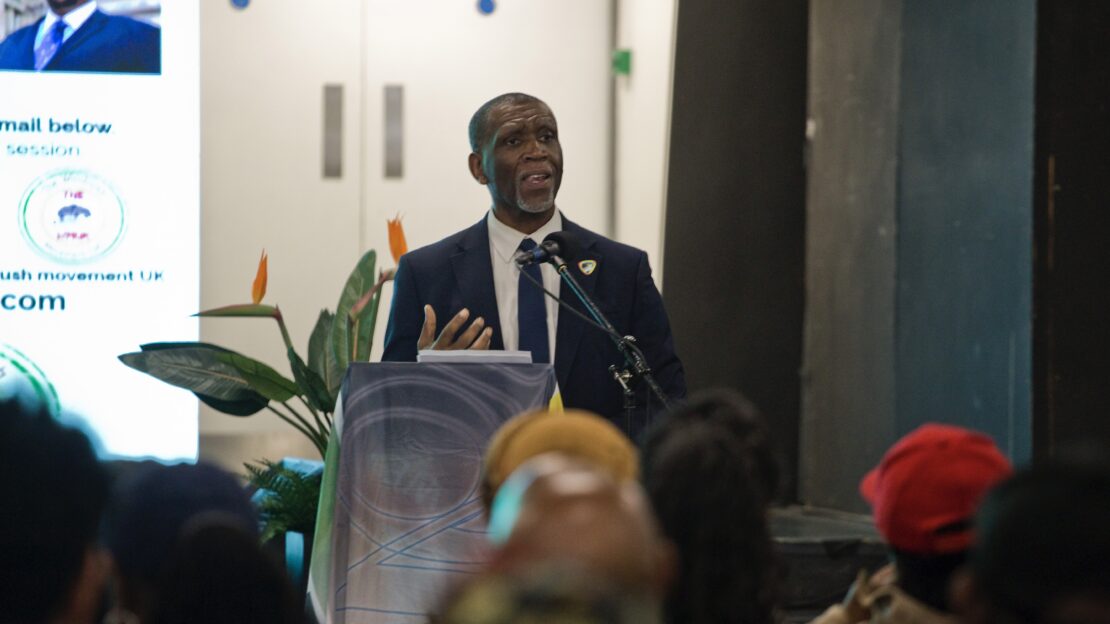
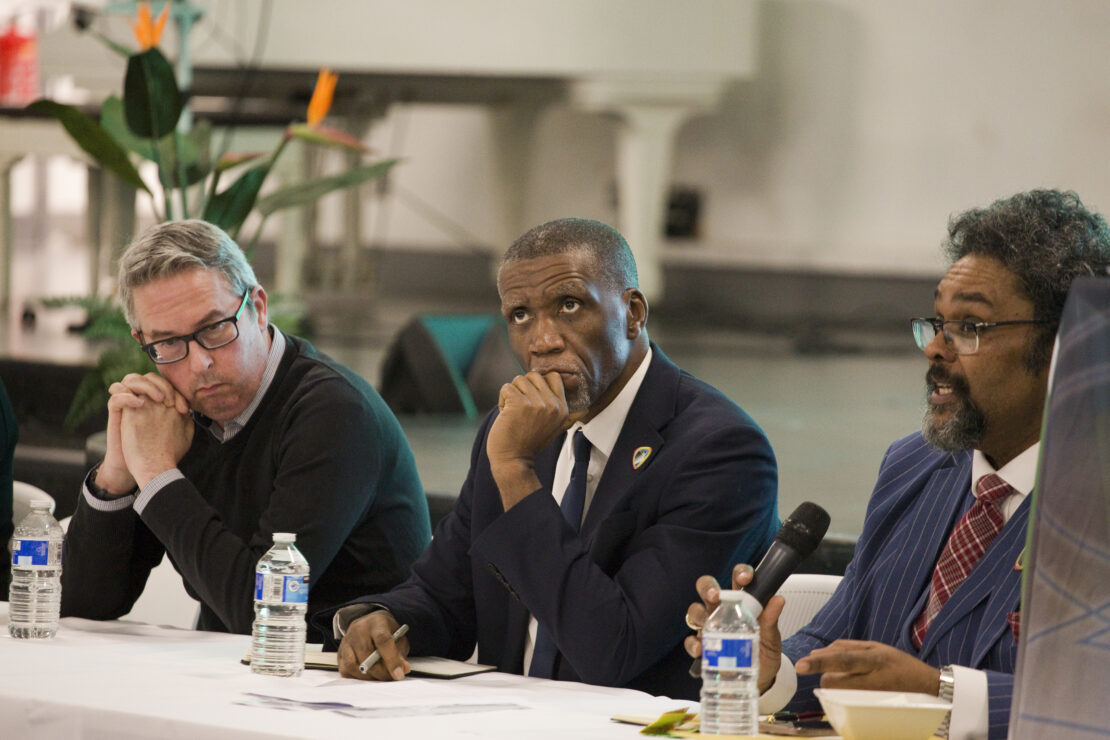
Reflections from Independent Windrush Commissioner, Clive Foster, following the listening and engagement event in Birmingham on 31st January.
A few weeks ago, I was back in Birmingham – a city with deep Windrush roots, and one I have always felt a deep connection to. When my parents came to this country as part of the Windrush generation, Birmingham was the place they first called home. So, coming back here, to listen to the experiences of people whose stories mirror so much of my own family’s journey, felt significant.
We gathered at the Legacy Centre. And the more I move through this work, the more that word – legacy – weighs on me.
I hear it in every conversation, every story shared across a table or in a quiet corner of a community hall. It is what this work is ultimately about: justice, healing, and what we leave behind.
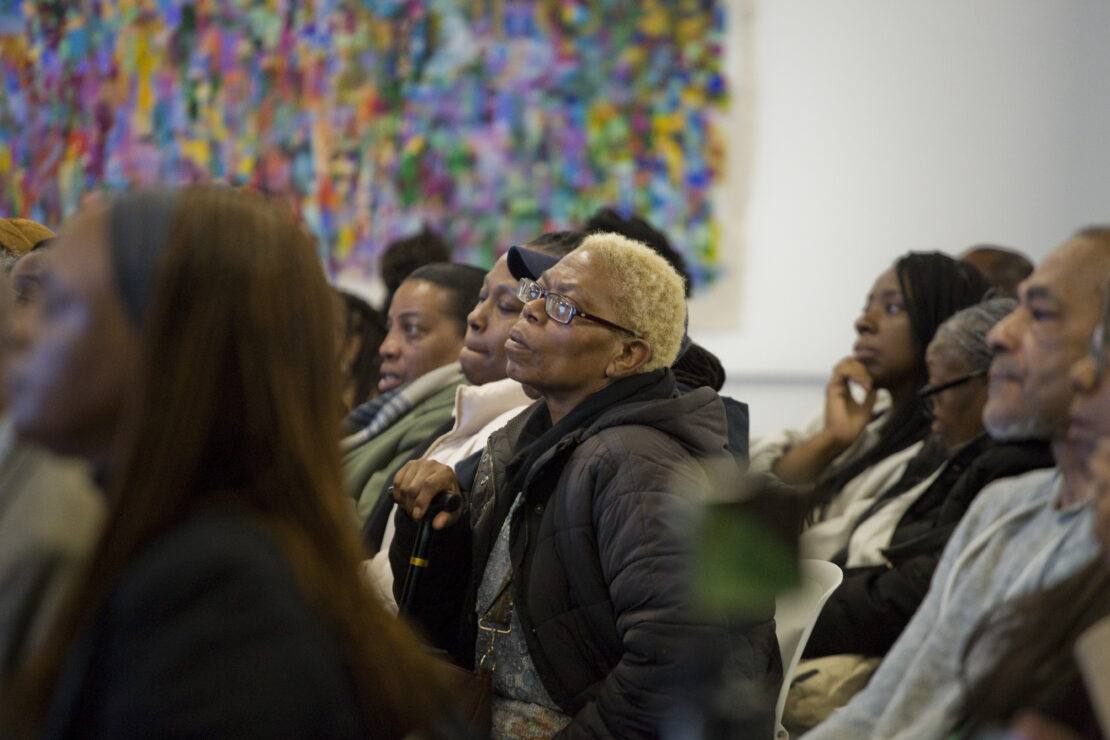
To everyone who came through those doors on a Saturday morning – thank you. Some came with ideas – ways the schemes could work better, processes that could be simplified, changes that could make a real difference. Some came seeking answers. Others came to share experiences they’ve carried for years. Stories of pride, of loss, and of waiting too long for justice.
That willingness to show up, to speak, to challenge – it’s what drives this work forward.
Bringing services to the community
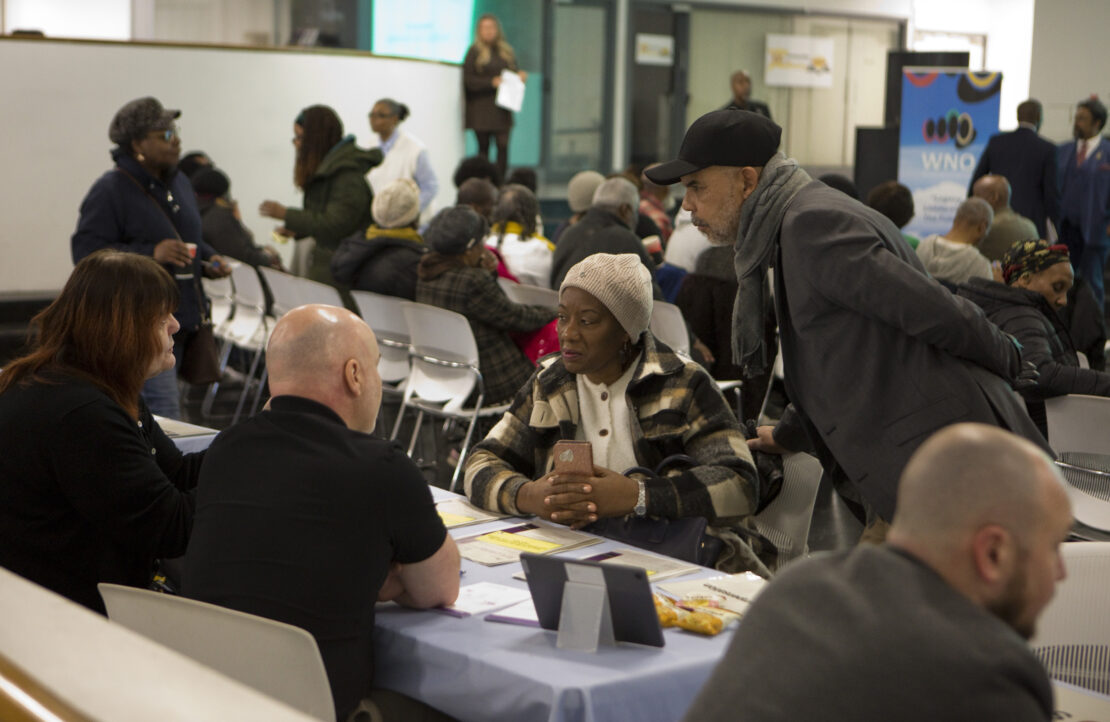
One of the things that made this event different was who else was in the room.
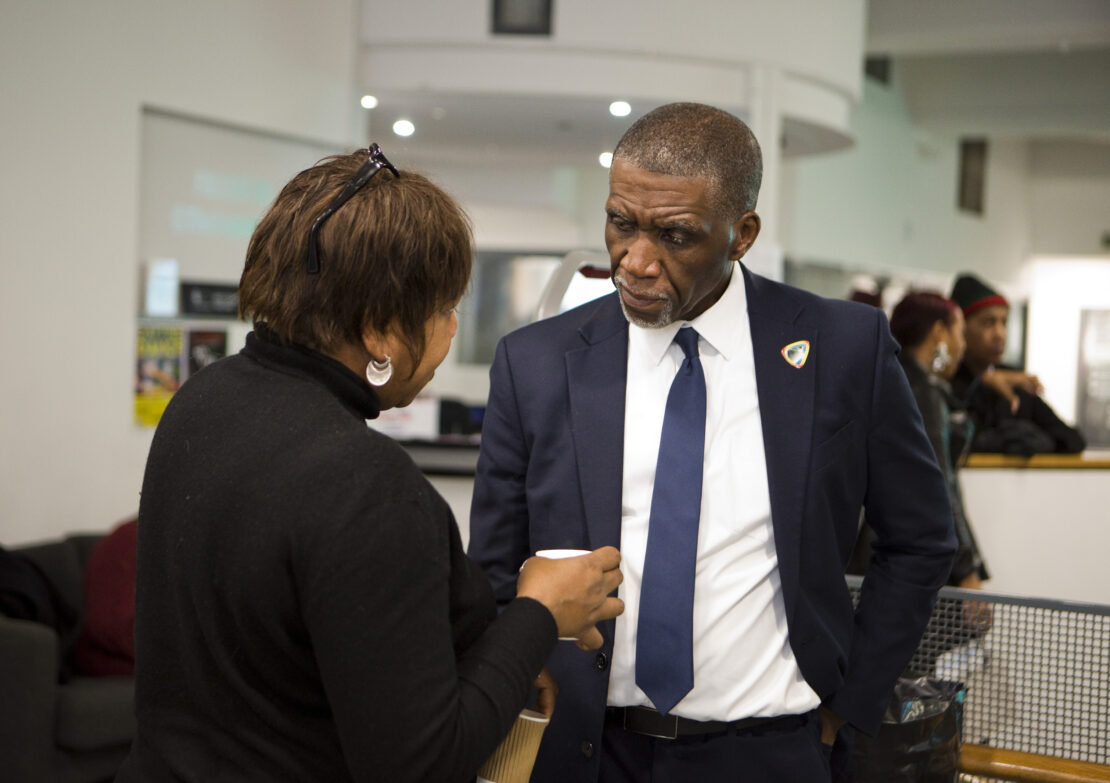
In one space, people could speak directly to those responsible for status, compensation, and reviews – Home Office staff from the Windrush Compensation Scheme and the Windrush Status Scheme, alongside a representative from the Adjudicator’s Office that handles reviews. My office was there too, ready to listen and support.
For me, this is what accessibility looks like in practice. The hurt and scars left by the scandal run deep, and I believe that healing begins when people can see an open, transparent, and approachable process – not a faceless system, but real people they can talk to, question, and trust. That human connection matters enormously.
It is much harder to dismiss someone’s concern when you are sitting across the table from them.
Questions didn’t have to travel through layers of process.
They could be asked and answered there and then. That matters. Too often, people feel distant from the systems that affect their lives. They write letters that go unanswered, make phone calls that lead nowhere, fill in forms and wait.
Events like this cut through that. They put the people running the schemes in the same room as the people the schemes were designed to serve.
It doesn’t solve everything. But these conversations are a necessary part of the path towards justice and healing – and for some people in that room, it was the first time they’d had a real conversation with someone who could help.
A room that listened – and pushed back
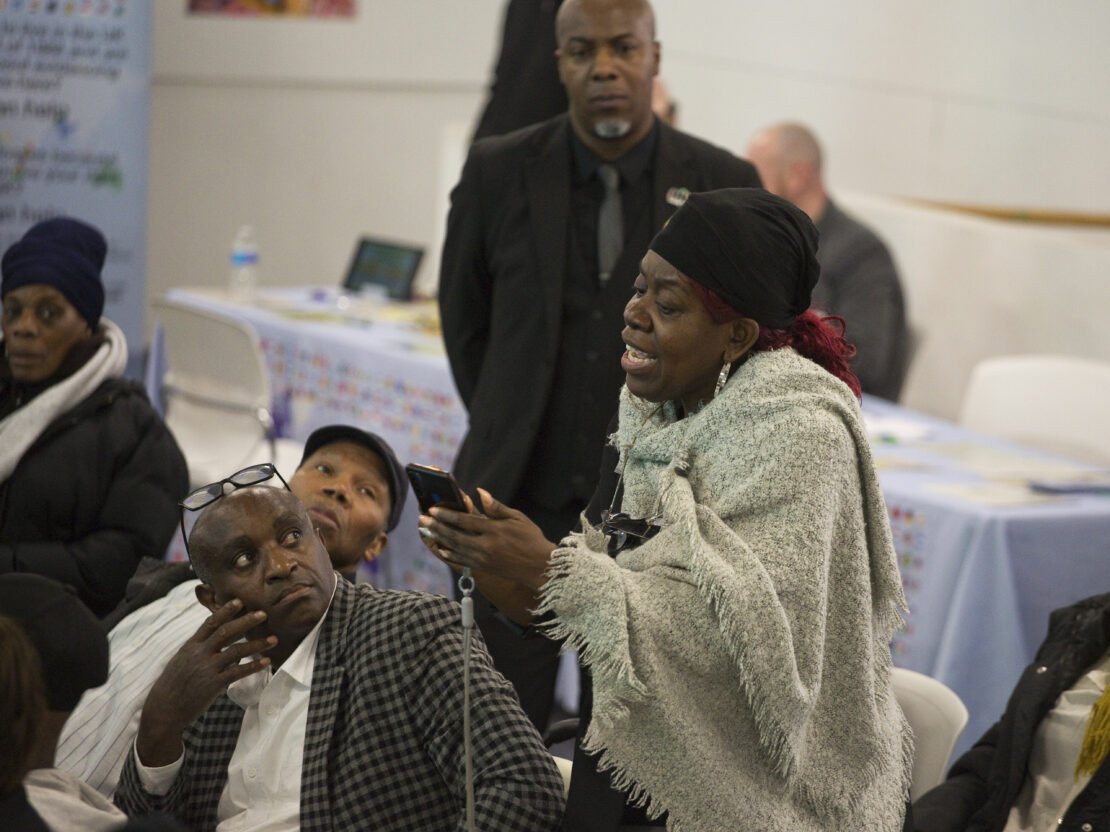
The atmosphere was one of openness, but also honest challenge. People didn’t hold back. They told me what isn’t working. They asked difficult questions, and they pushed for clearer, simpler information about who is eligible for the Windrush schemes and how to access them.
That message came through strongly. Too many people still don’t know whether they qualify, or feel overwhelmed by the process.
The application form is still seen as too long and too complex, and awareness that the schemes remain open is fading, which means people who are entitled to support may never come forward.
These aren’t just operational issues. They’re barriers to justice.
What people want to see
Several themes kept surfacing throughout the day.
People want greater public awareness of the Windrush schemes, not buried on a website, but visible in communities, in places people trust.
They want better support – whether that’s legal advice, help with paperwork, or simply someone in their corner. Navigating the compensation or status process alone can feel impossible, especially when you’re being asked to relive painful memories.
Having someone who understands the system and can help structure a claim, makes a real difference. I’ve heard this consistently, and I’ll be raising it directly with ministers.
And there was a question that stayed with me. How do we bring younger people into this?
Not just as beneficiaries, but as advocates – carrying forward the message, sharing the story, making sure the next generation understands what happened and why it still matters.
The Windrush story is not just history. It’s a living legacy.
And the people best placed to keep it alive are those who grew up hearing it around kitchen tables, in churches, in their communities.
Progress – but not the finish line
I was glad to have the chance to speak directly about what’s changed in the Compensation Scheme as a result of my recommendations.
Pension losses are now recognised. Advance payments are available for people whose cases are under review. Older and vulnerable claimants are being prioritised.
These changes came from listening. They came from survivors and community organisations telling me what needed to be different. And standing in that room, being able to say that their voices had led to real reform – that mattered.
But I also know we’re not done. For some people, there’s still frustration – about decisions that feel inconsistent, or about waiting years and receiving nothing.
While wait times have improved, I know that for those still in the system, every day matters. That frustration is justified. And I carry it with me into every conversation I have with ministers and officials.
Why events like this matter
Listening events aren’t about ticking a box or being seen in the right places. They’re about creating space – for people to be heard, for services to be accessible, and for me to understand what’s really happening on the ground.
What I hear shapes what I take to ministers and Home Office officials. It informs the changes I push for. It holds me accountable.
I’ll be reflecting carefully on everything I heard in Birmingham. The themes that emerged, around awareness, legal and advocacy support, and engaging the next generation, will directly shape my next set of recommendations to government. This isn’t listening for the sake of it. It’s listening that leads to action.
Justice shouldn’t only happen in Westminster. It needs to be visible, accessible, and rooted in the communities it’s meant to serve. That’s what we tried to build in Birmingham, and what I’ll keep building in the months ahead.
Thank you
If you were in that room – thank you. Thank you for your honesty, your challenge, and your trust.
And if you weren’t, my door is still open.
Keep telling me and my office about your experiences, whether it’s about the compensation process, securing your status, or the wider questions of accountability and Windrush legacy.
Your story is part of this. And it’s your story that will shape what comes next.
Justice is still being sought, healing is still underway, and the legacy of this generation must still be properly honoured. That work continues — and Birmingham reminded me exactly why it must.